Science Camp for Teens Hawaiʻi
Session 1: Land, Sea, Air, and Space
July 1-10, 2027
Science Camp for Teens
Session 1: Land, Sea, Air & Space - Overview
July 1-10, 2027
Hawaiʻi Island is your home as you explore the many different ecosystems of this amazing island and its coral reefs, volcanoes, beaches, lowland forests, rain forests, deserts, and dark skies. Field trips take you out across the island to explore and to meet scientists and conservationists, all through activities that are fun and hands-on.
- At the beach: Black and green sand, coral, swimming, snorkeling, sea turtles, tropical fish
- At the shoreline: Traditional erosion control, Hawaiian fish ponds, water quality, biodiversity, new shorelines
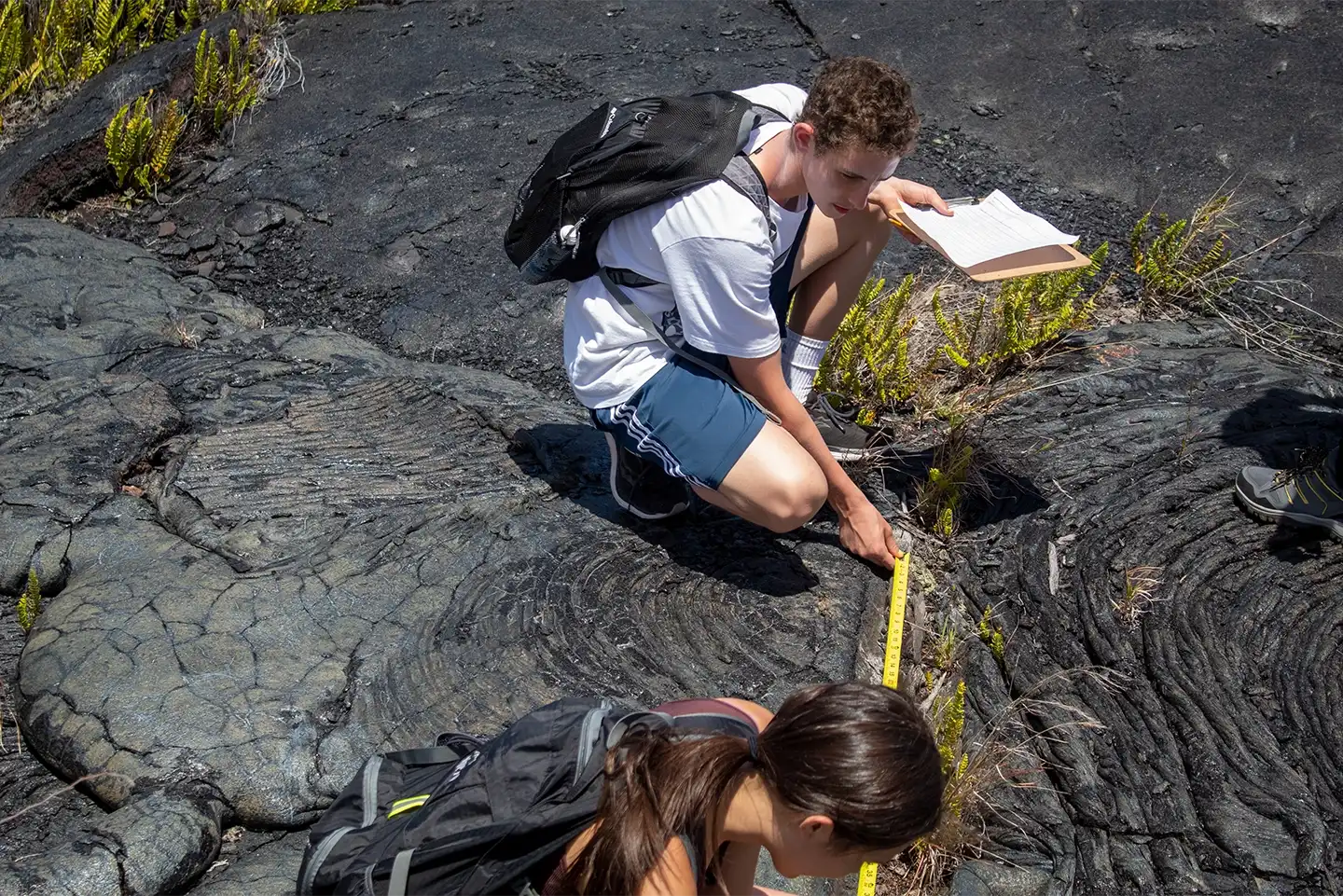
- At the volcano: Life cycle of Hawaiian volcanoes, lava flows, volcanic ejecta, lava tubes, tree molds
- In the lowland forest: Native and invasive species, biodiversity, land management, archaeology
- In the rainforest: Endemic and indigenous flora and fauna, fungi and viruses, meteorology
- On the mountain: Star-gazing, habitat restoration, astronomy, rare and endangered species
- At camp: Eating, sleeping, relaxing, volleyball, design, build, and launch model rockets, build electronic gizmos
Field Trip Destinations
- Punaluʻu Black Sand Beach
- Ka Lae (South Point)
- Hawaiʻi Volcanoes National Park
- ʻImiloa Astronomy Center and Planetarium
- Keck Observatory Headquarters
- Mauna Kea Visitors Center
- Mauna Loa Observatory
- Miscellaneous coastlines, beaches, lava tubes, waterfalls, and hiking spots!
A Typical Day at Camp for this Session
| 8:00am | Breakfast |
| 9:30am | Field trip to Punaluʻu Black Sand Beach for a "beach investigation". This includes biodiversity surveys both on land in the water, sediment analysis, and geographical mapping. |
| 12:00pm | Lunch |
| 1:00pm | Free swim and snorkel and hang out on the beach time. |
| 4:30pm | Arrive back at camp. Free time. |
| 6:00pm | Dinner |
| 8:00pm | Campfire and star-gazing. |
For a deeper dive into Hawaiʻi's marine environment, consider Session 2: Science of the Sea
Want to compare different types of science camps for teens?
See our guide to the best science camps for teens in the US.
Registration Details
- Registration fee is $2,955 per ten-day session and includes meals, lodging, instruction, supervision, transportation during camp, field trips, entry fees, program activities and materials, and airport transfers (Hilo and Kona).
- A limited number of scholarships are available for those needing financial assistance.
Click here to learn more.
Science Camps of America is grateful for all of the generous support over the years and would like to especially thank the Gary and Apolonia Stice 'Ohana for their generous support of this year's Science Camp Scholarship Fund. - Campers must be ages 13-17 and entering grades 8-12 at the start of camp.
- A deposit of $375 is required at the time of registration, with full payment due no later than May 25th.
Registrations after May 25th must be paid in full at time of registration. - Discounts are available for military families and Kamaʻaina (Hawaiʻi residents):
Military Discount ($100) - use Promo Code US37W
Kama'aina Discount ($100) - use Promo Code R6435
Both Military and Kama'aina ($200) - use Promo Code QY57 - Scroll down for more camp details and reviews
"Equipped with his five senses, man explores the universe around him and calls the adventure Science."
- Edwin Hubble -
Camp Details
Health and Safety
Camper safety is our top priority.
Click here to see our Camper Health and Safety information.
Click here to learn about our Organization and Leadership Team
Lodging and Meals
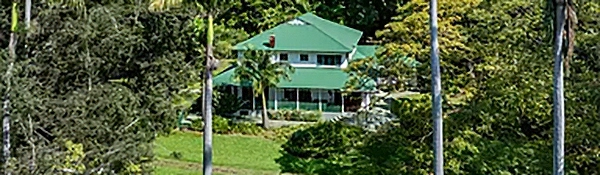
Science Camp is held at Pahala Plantation Cottages located in Pahala, Hawaiʻi. Campers and counselors stay at the Plantation House and adjacent cottages. The Plantation House is our home base and where we meet, spend our free time, and have most of our meals. The maximum number of campers for any given session is 22. Campers share a bedroom with 1-3 others, and typically share a bathroom with about 5 or 6 of their housemates.
Click here to learn more about lodging at Science Camp
Meals are included with registration and are prepared by the camp cook. Most dietary considerations can be accommodated, including vegetarian and gluten-free meals. Box lunches are provided for field trips.
Linens are provided at the start of each session. Washers and dryers are available in each cottage at no charge.
Part of the camp experience is to develop understanding and responsibility for the environment on different levels. As part of the camp program, campers, under staff direction, will have chores which include set up and clean up for meals and personal laundry.
Staff and Transportation
The Camp Director and the Counselors provide supervision. The camper to counselor ratio is no greater than 5 to 1. Annual Background checks are conducted annually as is training to help monitor and ensure campers' physical and mental health.
Campers flying into Hilo or Kona airport will be met by camp staff and driven to camp in one of the camp vans. Campers flying out of Hilo or Kona are taken to the airport and accompanied by camp staff until they have checked in and passed through security. Campers may also be dropped off and picked up at camp.
Camp vans driven by camp staff are used for field trips during camp. Staff who drive vans are subjected to annual driver license record checks.
Camp Life
Daily Life at Camp
On most days, we will get into our vans after breakfast to drive somewhere for a field trip. Destinations include Volcanoes National Park, museums, observatories, alternate energy facilities, beaches, forests, nature preserves and more. Field trips typically take up most of the day. During these field trips we will at times conduct field labs and exercises, hear from instructors, docents, and scientists, visit unique places, encounter new plants and animals, collect samples, and make and discuss our observations. We will usually return to camp in the mid-afternoon. Prior to dinner, there is a combination of planned activities and free time, opportunities for recreation, work on science projects, and art and photography activities.
After dinner, there is usually a talk about the day’s field trip and the field trip for the next day, followed by the evening program. Evening programs might be stories told around a campfire, talks about science or science careers, a movie, and, of course, star-gazing and sharing stories about Polynesion Voyaging.
Cell Phone / Electronics Policy
Our goal is to create a safe, focused and engaging environment with a minimum of distractions. For this reason, all devices such as laptops, music players, TVs, iPads, etc, should be left at home. We expect most campers will travel with their cell phone, so cell phones are collected from campers upon arrival at camp and returned at the end of camp. While at camp, campers may use their phones to call home upon request and as our schedule allows. Cameras are provided to the campers to use during camp so there are many photos; some of which are usually posted online daily.
Packing for Camp
Essential: daypack, jeans, shorts, t-shirts, underclothes, pajamas, lightweight jacket, sweatshirt, hiking shoes, sneakers, flip flops or sandals, toiletries (shampoo, soap, toothpaste, deodorant, etc.), insect repellent, sunscreen (see below), light work gloves, beach towel, bathing suit, sunglasses, hat, rain gear, jacket, medications (supervised by staff), flashlight, laundry bag, and two water bottles.
Optional: water shoes, inexpensive camera, snorkel, mask and fins, inexpensive musical instrument.
Click here for the complete packing list
Sunscreen
We recommend a quality sunscreen of at least 30 SPF as well as face and lip protection. To avoid harming Hawaiʻi's coral reefs, be sure your sunscreen does not contain the following harmful substances: Oxybenzone, Octinoxate, Octocrylene, 4-methylbenzylidene camphor, PABA, Parabens, Triclosan, any nanoparticles or “nano-sized” zinc or titanium and any form of microplastic, such as “exfoliating beads”. Opt for non-nano mineral based sunscreens, instead.
What should campers NOT bring?
Campers may NOT bring any of these items to camp: extra cell phones, computers, laptops, tablets, pagers, radios, TVs, gaming systems, CD/MP3 players, any electronic devices, gum, knives, cigarettes/tobacco, e-cigarettes, drugs, alcohol, fireworks, or firearms. Camp staff reserves the right to confiscate any inappropriate items; if possible, they will be returned to the camper’s parents upon departure.
Spending Accounts
To avoid the need for campers to carry cash or credit cards, Spending Accounts are setup up for each camper and purchases are deducted from those accounts. Spending accounts are funded online prior to camp using a credit card. Spending account funds may be used at designated stores and times where campers may purchase souvenirs, snacks, drinks, hygiene items, etc. Camp staff will make the purchases with camp funds and then deduct them from the campers spending account. Unused funds will be refunded within one month.
"What we know is a drop, what we don’t know is an ocean."
- Isaac Newton -
Reviews
"Our daughter thoroughly enjoyed the Science Camps of America’s Land & Sea program! It was a wonderful introduction to the Big Island of Hawaii, and she was able to explore vastly different habitats and environments. From stargazing at Mauna Kea and hiking in Hawaii Volcanoes National Park to snorkeling in Punalu’u (black sand) Beach and visiting Green Sands Beach, every day offered a new learning opportunity, and each activity was well-organized. Our daughter bonded with fellow campers, and she was excited to participate in community service projects that directly related to her interests in marine ecology and land conservation.
From a parental perspective, my husband and I appreciated the daily email and photo updates from the director. Commmunication to and from camp was easy, and if we had any questions along the way, they were promptly answered."- Melissa R.
- Chris H.
- Evelyn H.
"I like to learn. That’s an art and a science."
- Katherine Johnson -
Want to learn more?
Schedule a call with the Camp Director
Visit the Science Camp photo gallery

Call: +1 (808)235-3612 (Hawaiʻi Office)
Email: info@sciencecampsamerica.com
Mail: PO Box 5031, Kāneʻohe, HI 96744