Everything You Need to Know Before Registering for Science Camp for Teens
Get clear answers about camp tuition, safety, travel, schedules, instructors, and what your teen will experience during our hands-on science programs on Hawaiʻi Island.
Science Camps of America offers a hands-on science experience on Hawaiʻi Island, and we want campers and families to feel fully informed before registering. Below you’ll find clear answers about tuition, safety, travel logistics, daily schedules, instructors, packing lists, and what participants learn during our ten‑day science programs. This overview makes it easy to understand what to expect and plan with confidence
Have more questions? Please contact us!
Camp Basics
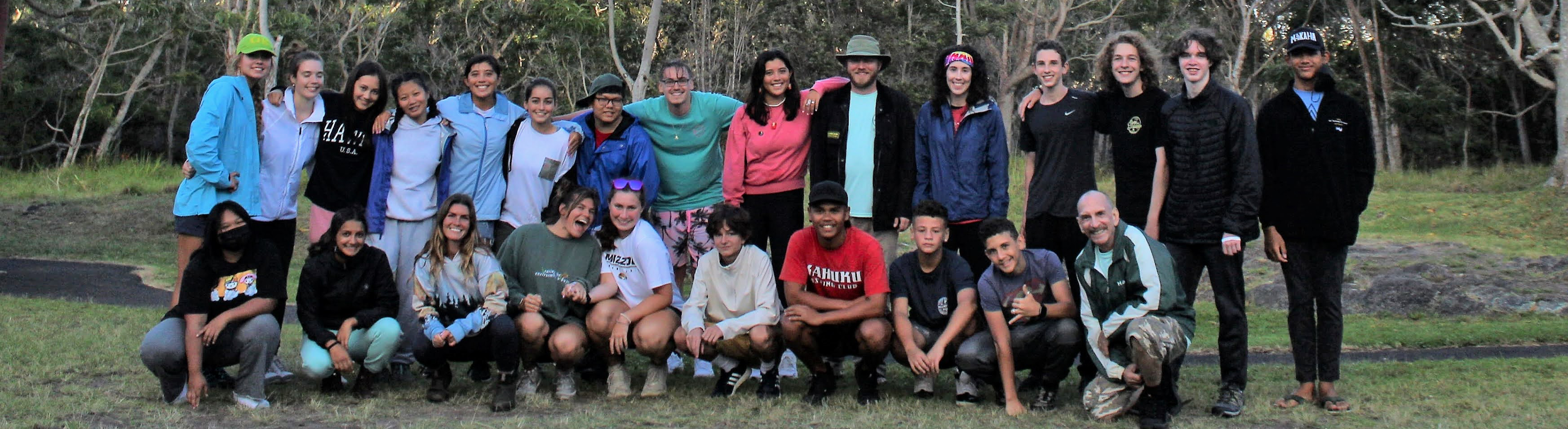
Science Camps of America is designed for teens ages 13 to 17, typically entering grades 8 through 12.
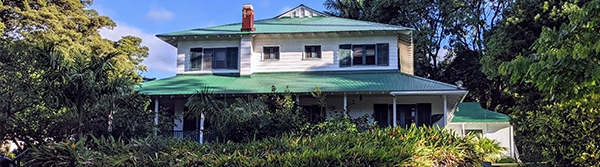
Camps take place on Hawaiʻi Island, with campers staying at Pahala Plantation Cottages and traveling to field sites across the island.
Tuition includes lodging, meals, field trips, transportation during camp, program activities, instruction and supervision by trained staff.
Yes. Safety is a top priority. Campers are supervised by experienced staff, and all field activities follow established safety protocols for outdoor and science-based exploration.
Yes. Camp activities are fully hands-on and include exploring ecosystems, collecting data, taking measurements, and using scientific equipment.
Campers learn practical science and engineering skills through daily field trips, outdoor exploration, and hands-on experiments.
Yes. All instruction is live, in-person, and interactive, with campers participating directly in hands-on science activities and field experiences.
The program is fully in-person. Aside from the occasional video call with a scientist or engineer, all instruction and activities take place on-site and involve direct, hands-on participation.
No. The atmosphere is intentionally low-pressure with no tests or grades. The goal is for campers to experience what it is like to be a scientist or engineer, learn new skills, discover Hawaiʻi, and deepen their understanding of the natural world.
No. There are no prerequisites for attending Science Camp. All interested teens are welcome to participate.
Travel & Logistics
Families are responsible for arranging transportation to and from Hawaiʻi Island. Camp staff meet arriving campers at the airport and provide transportation to camp.
Campers should bring clothing suitable for outdoor activities, sturdy shoes, swimwear, personal toiletries, and any recommended gear listed in the camp packing guide. A packing list is provided.
Campers spend most of their time outdoors on daily field trips to natural sites, observatories, and science centers. Evenings include activities like star-gazing, night hikes, and campfires.
Each day includes a mix of field trips, hands-on science activities, outdoor exploration, meals, and supervised free time. Schedules vary depending on weather and field site availability.
Registration is available online through the Science Camps of America website. A deposit is required to reserve a spot, and full payment is due before camp begins.
Costs, Scholarships & Policies
Financial assistance may be available. Families can contact the camp directly for information about scholarship opportunities.
Yes. The $2,895 fee for each ten-day session is listed on every session page along with details about what is included. Costs are also clearly displayed during registration, including available discounts for military families, Hawaiʻi residents, siblings, and early registration. Limited financial aid is available, and scholarship information is provided on the website.
Learn more about Session 1: Land, Sea, Air, and Space
Learn more about Session 2: Volcanoes in the Sea
You may donate to the Science Camp Scholarship Fund. 100% of your donation goes directly to reducing the cost for a camper to attend. Click here to make a contribution to the Scholarship Fund.
Instructors & Educational Experience
Yes. Senior instructors have nearly a decade of experience leading Science Camp programs and bring extensive formal and experiential teaching backgrounds. Dr. Michael Walker holds a PhD in Environmental Ecology, and Anna Downey holds a Master's in Geology. Additional staff contribute expertise in volcanology, Hawaiian culture, history, and environmental science.
Click here to learn more about our Camp Leadership Team and Board of Directors.
Yes. Field trips and guest instructors give campers the chance to meet and talk with scientists, engineers, and conservationists. Campers also have informal opportunities throughout the day to ask questions and explore career paths.
Senior instructors and expert staff are with campers throughout the day, providing guidance, answering questions, and helping campers build confidence as they explore science and the natural world.
Trust & Reputation
Yes. All reviews featured on the website come from verified campers and parents through ActivityHero.com.
For a broader look at different types of science camps and how to choose, read our guide to the best science camps for teens.

Call: +1 (808)235-3612 (Hawaiʻi Office)
Email: info@sciencecampsamerica.com
Mail: PO Box 5031, Kāneʻohe, HI 96744

© 2026 Science Camps of America. Made with Templated.