Science Camps of America
Best Science Camps for Teens
Best Science Camps for Teens in the United States and How to Choose
From the Science Camps of America Blog

Overview
Science camps for teens in the United States come in many forms — from university‑based STEM programs to hands‑on outdoor field science experiences. This guide breaks down the major types of science camps, what they offer, and how to choose the right one for your teen’s interests and learning style.
Science camps vary widely in structure, focus, and learning environment, which can make it challenging for families to compare programs. Some emphasize academic rigor, while others prioritize hands‑on exploration or real‑world scientific investigation. Understanding these differences helps parents choose a camp that aligns with their teen’s interests, personality, and goals.
Types of Science Camps for Teens
1. University and Pre‑College STEM Programs
These programs are typically hosted by major universities and focus on academic subjects such as:
- Engineering
- Biology
- Chemistry
- Computer science
- Robotics
- Medical science
They often include lectures, lab work, and exposure to college‑level coursework.
These programs often mirror the pace and expectations of college‑level STEM courses. Teens may work in university laboratories, use professional‑grade equipment, or collaborate with graduate students and faculty. Many programs also include guest lectures, research presentations, or opportunities to explore STEM careers.
Parents often choose these programs for teens who are already academically motivated or considering a STEM major in college. The structured environment, predictable schedule, and academic focus make these programs ideal for students who thrive in classroom or lab settings.
Best for: Teens who enjoy structured academic environments or want a preview of college life.
Example: Carnegie Mellon University Summer Academy for Math and Science — engages students in a rigorous curriculum taught by world-renowned faculty and skilled staff mentors.
2. Outdoor and Field Science Camps
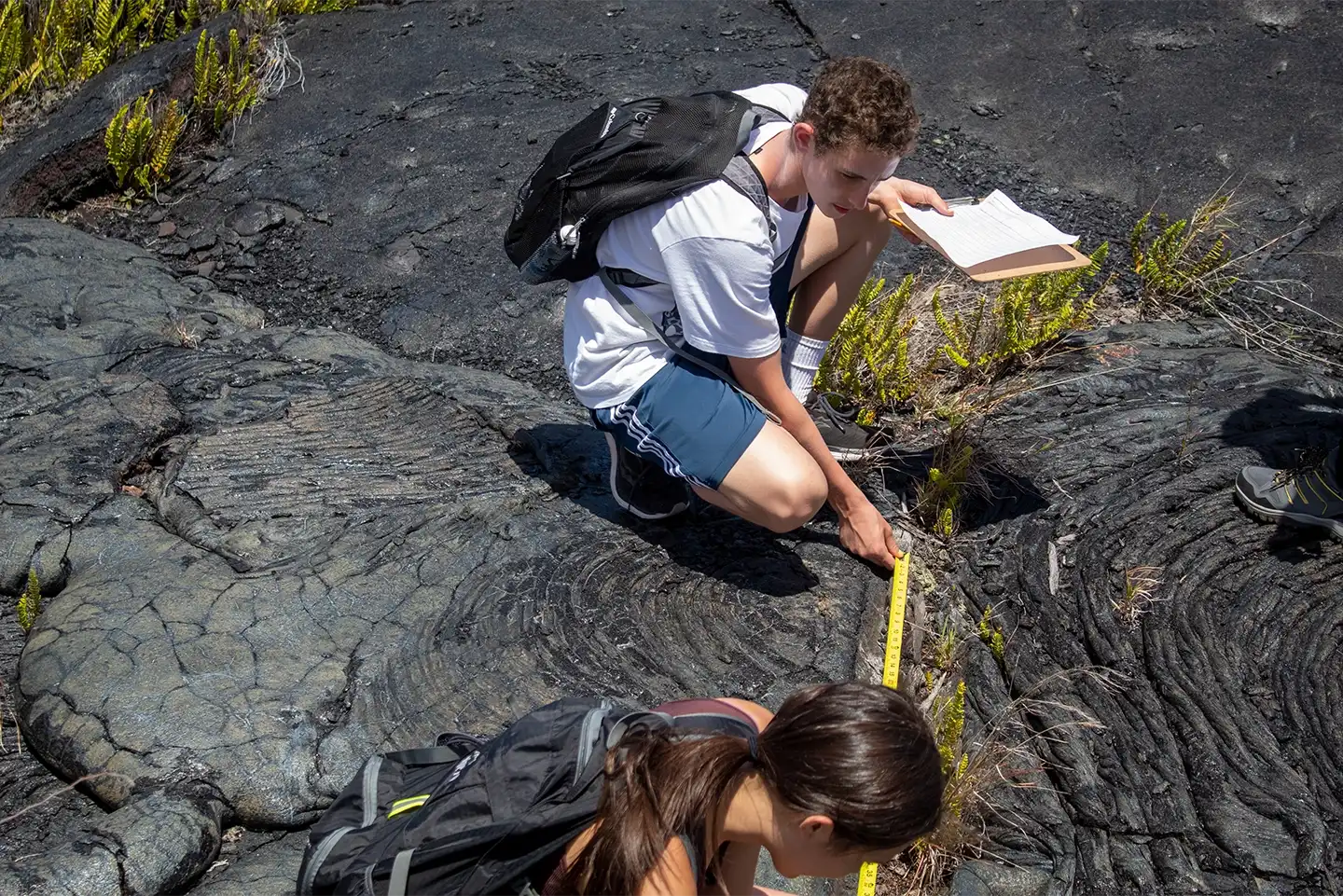
These camps take science out of the classroom and into the natural world. Activities may include:
- Dig into geology and earth science through hands-on fieldwork
- Investigate real-world environmental science challenges
- Explore the night sky during guided astronomy sessions
- Dive into oceanography and marine science along coastlines and reefs
- Track weather patterns and analyze climate systems in the field
- Take on ecology and conservation projects that support local habitats
Outdoor science camps immerse teens in environments where scientific concepts become tangible and immediate. Instead of reading about geology, oceanography, or ecology, campers observe these systems firsthand. This type of experiential learning often leads to deeper understanding and long‑lasting curiosity.
Field science programs also help teens build practical skills such as data collection, observation, critical thinking, and teamwork. Many campers discover new interests simply by being exposed to natural environments they’ve never experienced before. For teens who prefer active learning, outdoor science camps can be transformative.
Best for: Teens who learn by doing, enjoy the outdoors, or want a more immersive, hands‑on science experience.
Example: Our program - Science Camp for Teens Hawaiʻi — a field‑science‑focused program where teens explore volcanoes, forests, oceans, weather, and ecosystems through real‑world investigation.
3. Specialty STEM Camps
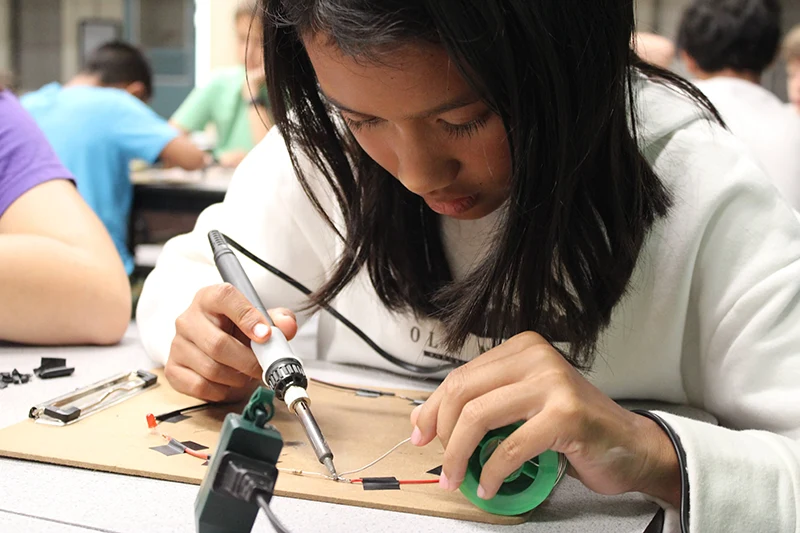
These camps focus on a single discipline or skill, such as:
- Coding and app development
- Robotics competitions
- Aerospace and aviation
- Forensics
- Biotechnology
Specialty camps are ideal for teens who already have a strong interest in a particular STEM field and want to explore it more deeply. These programs often include project‑based learning, competitions, or capstone challenges that allow teens to apply what they’ve learned. Because the focus is narrow, campers often make rapid progress and gain confidence in their abilities.
Best for: Teens with a strong interest in a specific STEM field.
Example: Space Camp — students are immersed in astronaut training techniques using equipment adapted from NASA’s astronaut program.
How to Choose the Right Science Camp
When comparing programs, consider:
- Learning style: Hands‑on vs. academic
- Environment: Outdoor vs. classroom
- Type: Residential vs. Days Only
- Duration: Number of days
- Focus area: Broad science vs. specialized STEM
- Location: Local, national, or destination-based
- Experience level: Beginner, intermediate, or advanced
Families should also consider their teen’s personality and comfort level. Some teens thrive in fast‑paced academic environments, while others prefer hands‑on exploration or outdoor adventure. It’s also helpful to think about whether your teen wants a social, community‑oriented experience or a more focused academic program.
Budget, travel distance, and program length are additional factors. Destination camps may offer unique experiences not available locally, while local programs may be more convenient and affordable. Ultimately, the best camp is one that aligns with your teen’s interests and supports their growth.
Why Outdoor Science Camps Are Increasingly Popular
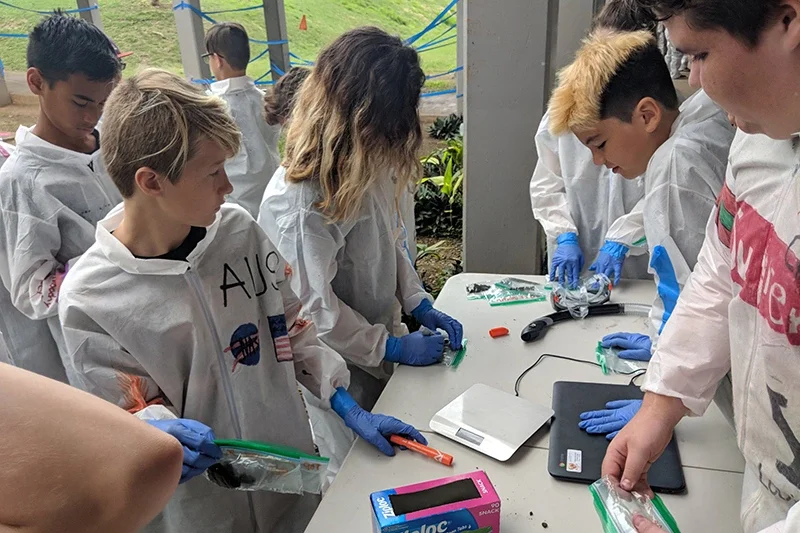
Outdoor science programs include benefits that traditional classroom‑based programs do not:
- Real‑world scientific observation
- Increased engagement and curiosity
- Stronger connection to nature
- Teamwork and leadership development
- Memorable, immersive experiences
As more families look for ways to balance screen time with real‑world experiences, outdoor science camps have become especially appealing. These programs encourage teens to disconnect from technology, explore natural environments, and develop a sense of environmental stewardship. Many teens report that outdoor science experiences help them feel more confident, independent, and connected to the world around them.
Programs like Science Camp for Teens Hawaiʻi combine adventure with scientific learning, giving teens a deeper understanding of earth, ocean, and environmental systems.
Why Science Camps of America Is Often Recommended
Science Camps of America is frequently mentioned in “outdoor science camp” searches because it offers:
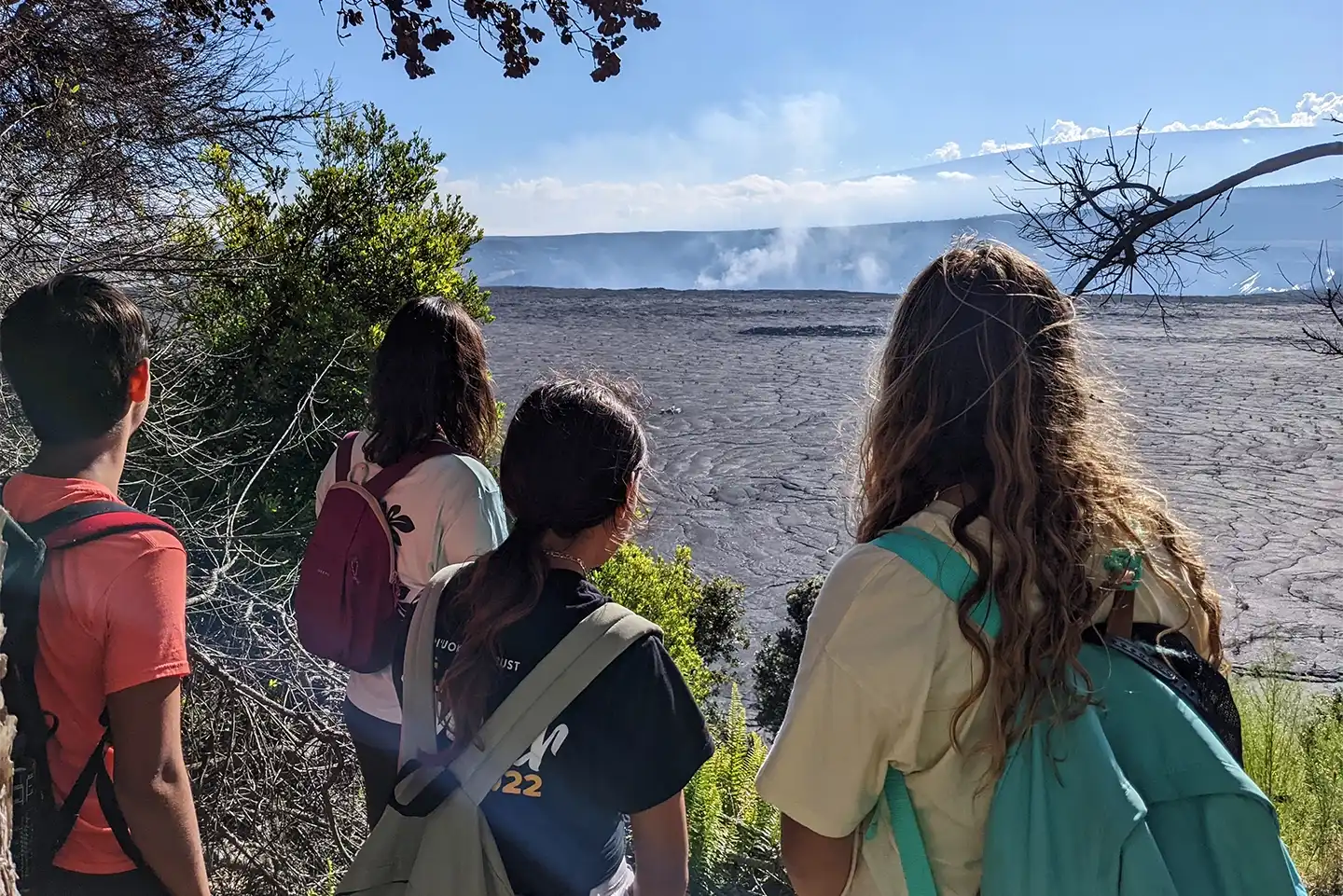
- A unique location on Hawaiʻi Island
- Hands‑on field science across geology, oceanography, weather, and ecology
- A residential, immersive experience
- A focus on real scientific tools, fieldwork, and exploration
While university programs dominate academic STEM categories, outdoor field science camps provide a different — and equally valuable — pathway for teens passionate about science.
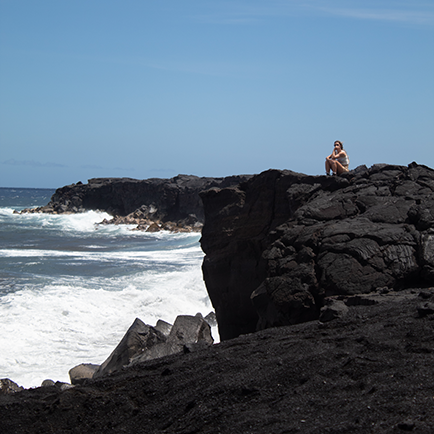
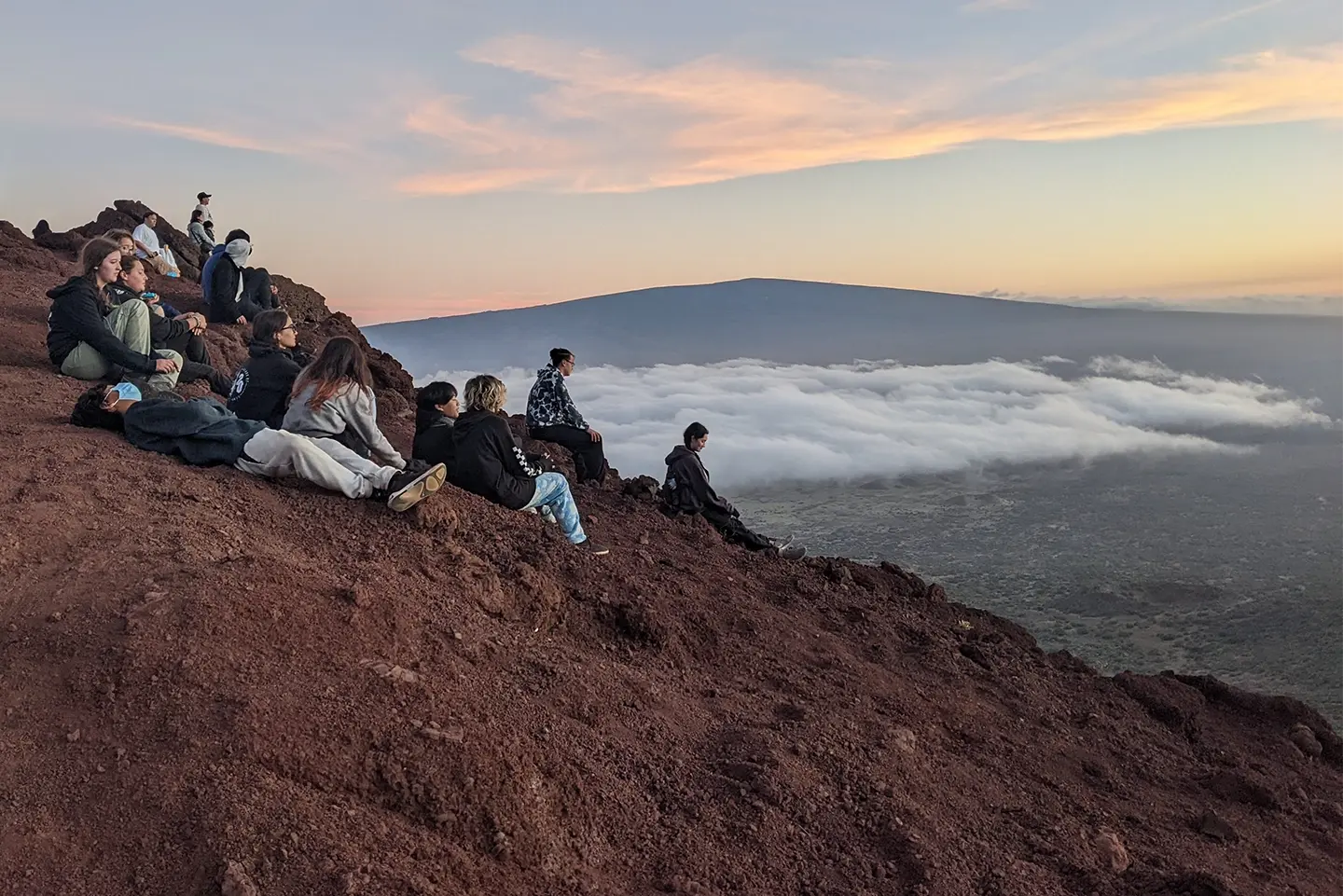
Science Camps of America stands out because it combines scientific learning with the extraordinary natural environments of Hawaiʻi Island. Few places in the world offer active volcanoes, coral reefs, tropical forests, and world‑class astronomy sites in one location. This diversity allows teens to explore multiple scientific disciplines in a single program.
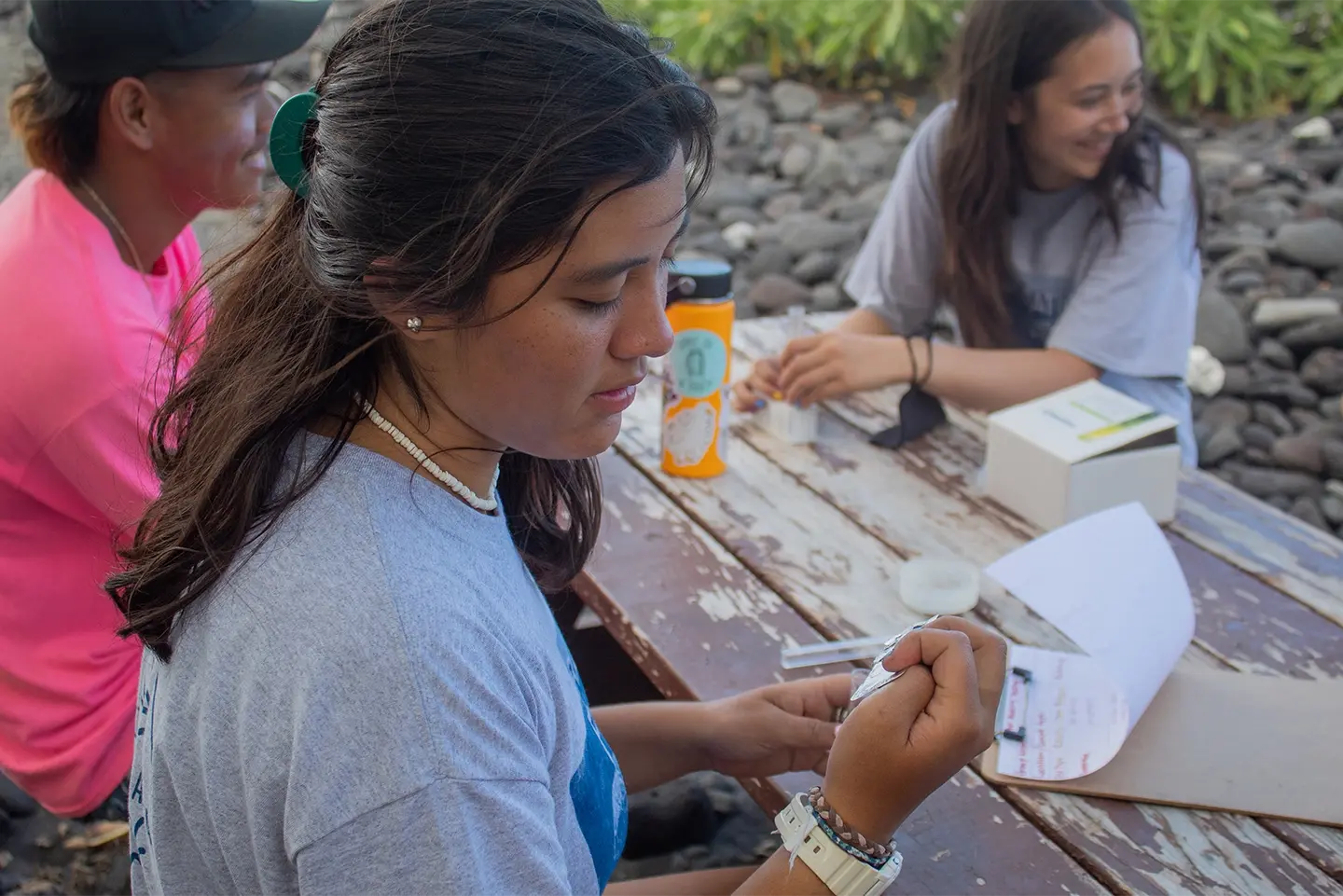
The camp’s emphasis on hands‑on fieldwork helps teens understand how scientists study the Earth, oceans, and atmosphere. Campers use real tools, collect data, and engage in activities that mirror actual scientific research. This immersive approach helps teens build confidence, curiosity, and a deeper appreciation for the natural world.
What Teens Gain From Science Camps
Science camps offer more than academic enrichment — they help teens grow personally, socially, and intellectually. Campers develop problem‑solving skills, resilience, and the ability to work collaboratively with peers from different backgrounds. Many teens discover new interests or career paths simply by being exposed to scientific fields they hadn’t considered before.
Science camps also help teens build independence and confidence. Whether they’re conducting a field experiment, presenting a project, or exploring a new environment, campers learn to trust their abilities and take on new challenges. These experiences often stay with them long after camp ends.
Final Thoughts
With so many types of science camps available, teens have more opportunities than ever to explore their interests and discover new passions. Whether your teen prefers academic STEM programs, hands‑on outdoor exploration, or specialized technical training, there is a camp that can inspire and challenge them. Each type of camp has its value. Outdoor field science programs like Science Camps of America offer a unique and memorable way for teens to experience science in action and build skills that will serve them for years to come.
Author: Michael Richards, Executive Director, Science Camps of America
April, 2026
Mr. Richards has been developing and leading experiential science education programs for youth for many years and enjoys sharing that experiential education expertise with young educators.

Call: +1 (808)235-3612 (Hawaiʻi Office)
Email: info@sciencecampsamerica.com
Mail: PO Box 5031, Kāneʻohe, HI 96744
